
Anchored by Habit: How Small Routines Create Stability in Times of Change
When everything around you feels unpredictable, routine becomes more than just a schedule—it becomes a lifeline. There’s something steady, almost grounding, about knowing certain parts of your day will always happen the same way. For Pat, stepping into the unfamiliar world of college life meant dealing with countless unknowns—new classes, new professors, new friendships, and new responsibilities. But in the middle of all that change, he found comfort in creating a rhythm that gave his days a sense of balance.
That rhythm wasn’t built on extraordinary things—it was made up of small, ordinary habits. Morning coffee in the same corner of the cafeteria. Sitting in his favorite spot in the library. Attending church services every Sunday, no matter how busy the week had been. Even eating meals at roughly the same times each day. To someone else, it might not have looked like much. But to Pat, these little rituals were the anchors that kept him from drifting in the chaos. They were reminders that even when everything around him felt overwhelming, there was still stability waiting in the familiar.
There’s also a sense of power that comes from routine. In college, much of life is dictated by external forces—professors set assignment deadlines, bosses assign work hours, and unexpected circumstances often throw plans off track. But with routine, Pat got to decide. He controlled when he studied, how he spent his mornings, and where he went when he needed a moment of calm. That small measure of choice gave him confidence. It reminded him that while he couldn’t control the world, he could control his response to it.
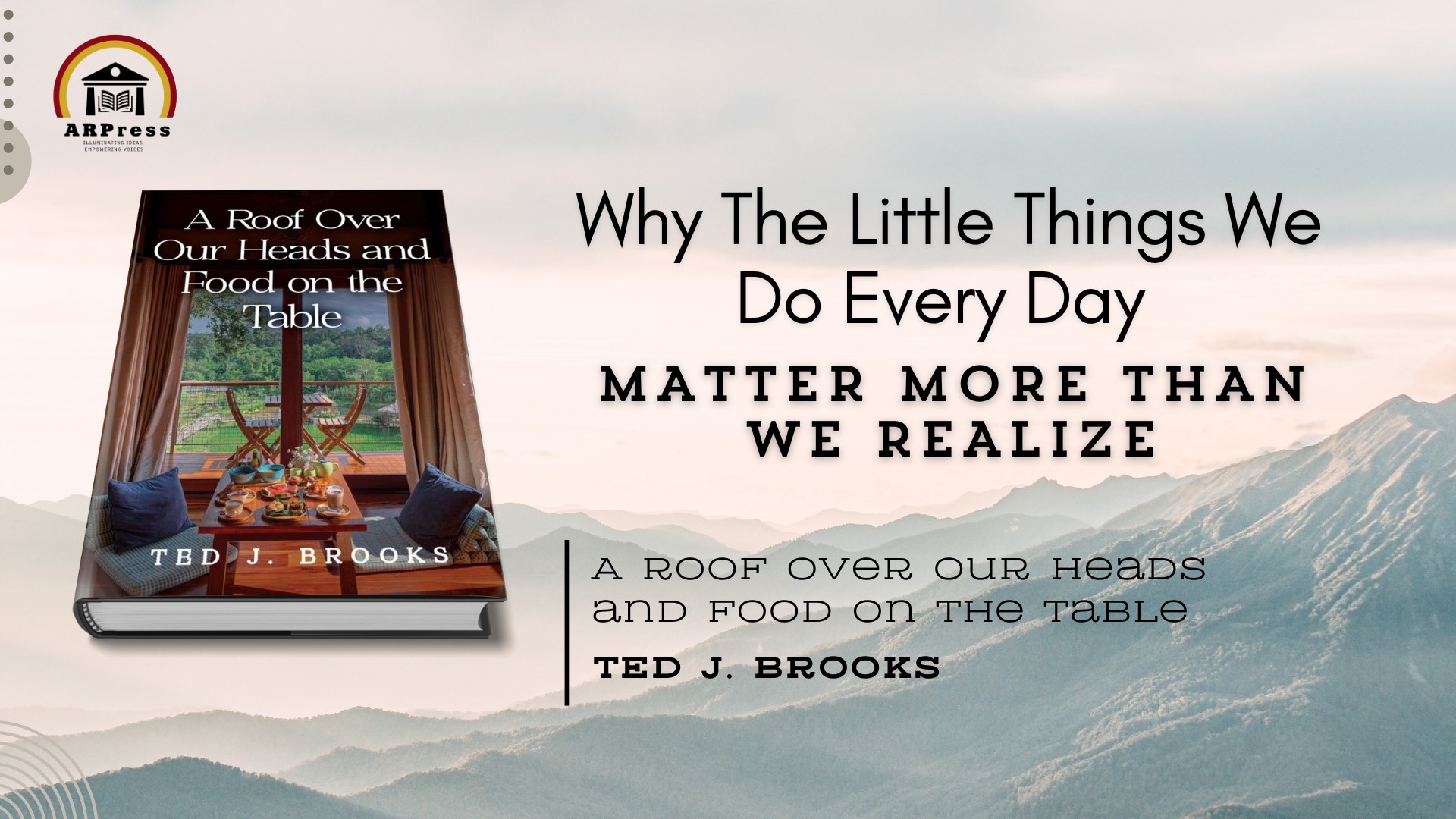
This idea of grounding yourself in what is steady resonates deeply with Ted J. Brooks’s book, A Roof Over Our Heads and Food on the Table. Brooks reflects on how stability is often built on the simplest of blessings—having shelter, nourishment, and the security of faith and family. Just as Pat leaned on his daily habits to steady him through the uncertainties of college, Brooks reminds us that true stability in life doesn’t always come from wealth, prestige, or big achievements. Instead, it comes from appreciating and holding fast to the small, consistent gifts that carry us through uncertain seasons.
What’s striking is how routines can shape perspective. For Pat, routines didn’t just help him survive college—they taught him to appreciate the value of consistency. He began to realize that success wasn’t about dramatic wins or big moments, but about showing up each day and finding strength in small victories. Completing assignments on time, getting enough sleep, or carving out a quiet moment in the library all became building blocks of a greater lesson: that steadiness, not speed, often leads to long-term growth.
Of course, there’s a balance to be found. Routines can sometimes become rigid or limiting if you cling too tightly to them. But in seasons of transition and uncertainty, they serve an important role. For Pat, they didn’t box him in—they gave him room to breathe. They provided stability without suffocating him, and that balance made all the difference in helping him navigate an entirely new stage of life.
Ultimately, Pat’s experience—and Brooks’s reflections in A Roof Over Our Heads and Food on the Table—point us toward the same truth: when life feels uncertain, grounding ourselves in the ordinary can give us extraordinary strength. We don’t always need to search for grand solutions. Sometimes, the key to navigating big changes lies in small, steady habits. Morning coffee. A familiar seat. A weekly church service. A roof overhead. A meal on the table. These seemingly simple things become lifelines, holding us steady as we wait for the storms of life to pass.
When the future feels uncertain and change seems overwhelming, don’t underestimate the power of simple routines. They might feel small in the moment, but over time, they teach resilience, gratitude, and balance.
Sometimes the little things aren’t little at all. They’re the very things that keep us going.
Visit Ted’s website at https://tedjbrooks.com/ to learn more about him and his books.
Purchase the book using this link: