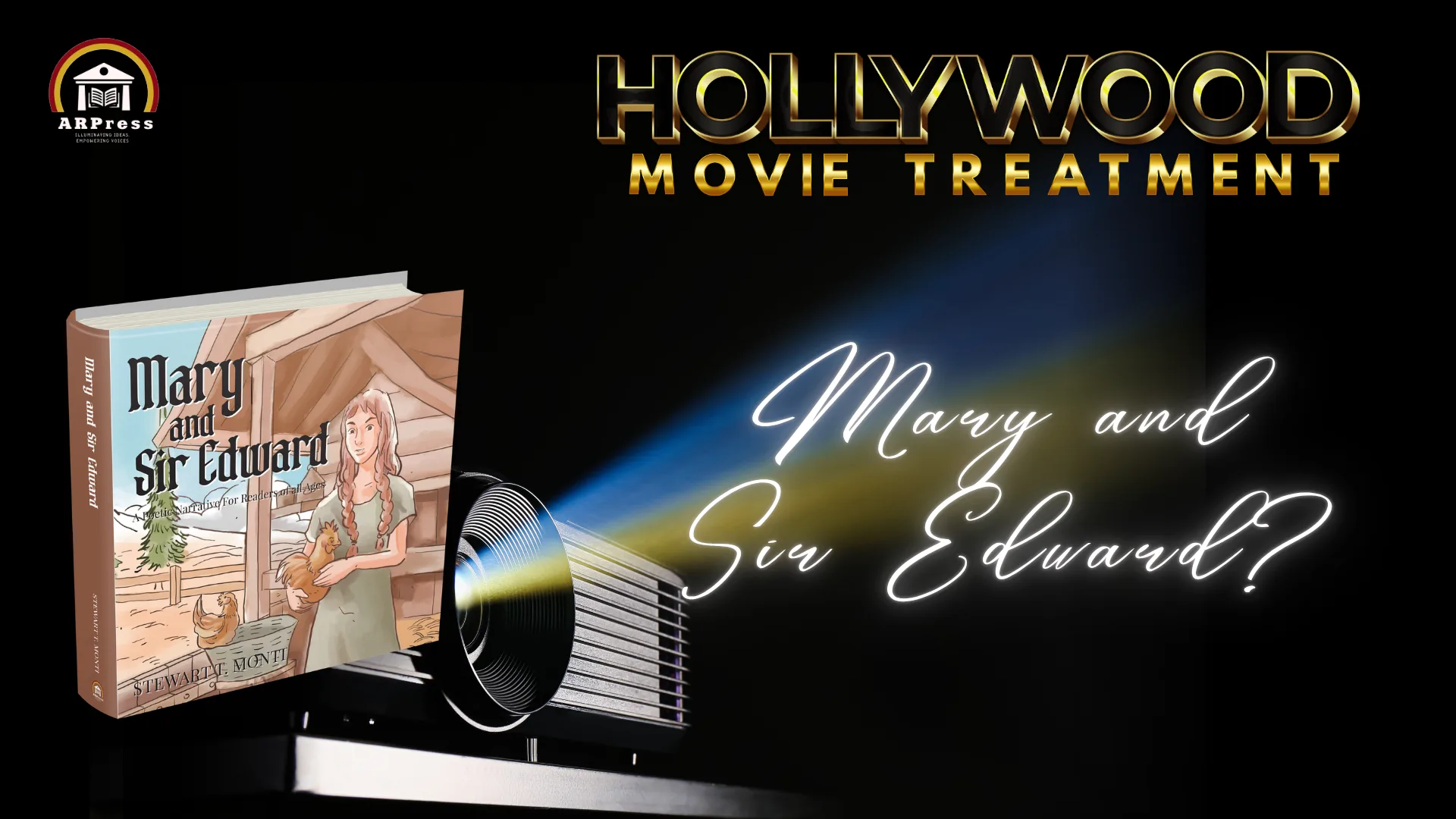
A summary of this acclaimed book has been published in anticipation of its movie adaptation. A movie treatment is one of the first steps in writing a screenplay, providing a detailed summary of the story idea and offering the kind of Hollywood-style recognition that only a few authors experience.
The three-act structure outlining the story has been written and released. The movie treatment is a detailed, prose-style summary of a film or television story. It serves as a blueprint for the screenplay, outlining the narrative, characters, settings, and major scenes, usually written in the present tense. The treatment is longer and more detailed than a logline or synopsis but shorter than a full script, typically ranging from 5 to 20 pages, though lengths may vary depending on purpose and audience. It is a crucial development tool that bridges the gap between a raw story idea and a full screenplay. Its value lies not only in guiding the creative direction of a project but also in effectively communicating that vision to others.
It looks like Stewart T. Monti’s world is about to get a little bigger, and brighter, with a movie treatment now in the works for Mary and Sir Edward.
Now, if you’re not knee-deep in the film world, here’s a quick rundown: a “movie treatment” is kind of like a story’s first big audition. It’s not a full script yet, but it lays out the story, the characters, and the heartbeat behind it all, basically, it’s what producers read to see if a movie has that special spark.
And judging from Monti’s story, it absolutely does.
Mary and Sir Edward follows twelve-year-old Mary, a hardworking farm girl trying to keep her family together while her father fights in the King’s war. Life at Kesterfield farm is difficult. The crops are struggling, the barn roof is leaking, and Mary has taken on responsibilities far beyond her years. But everything changes when a wounded knight named Sir Edward collapses outside their farm carrying intelligence that could end the war.
Instead of turning him away, Mary and her mother, Eleanor, secretly take him in and nurse him back to health. What begins as an act of kindness quickly becomes dangerous. Lord Godfrey, a powerful nobleman profiting from the war, has sent armed men to hunt Sir Edward down before he can deliver his message to the King.
As the days pass, Mary finds herself caught between fear and courage. She hides the knight from suspicious soldiers, protects her younger brother Matthew from revealing too much, and quietly carries the weight of choices no child should have to make. Through it all, Sir Edward begins to see the strength within Mary, a strength shaped not by battle, but by loyalty, resilience, and compassion.
The story paints its world with a rich, cinematic atmosphere, rain-soaked cornfields, candlelit farmhouses, weary soldiers, and quiet conversations beside a fading fire. There’s a tenderness woven into the story that balances the tension of war. The bond between Mary, her family, and Sir Edward grows naturally, making every moment feel personal and deeply human.
What makes the story stand out is how grounded the characters feel. Mary is brave without trying to be heroic. Eleanor carries the quiet exhaustion of someone holding a family together during impossible times. Even Sir Edward, a seasoned knight, feels shaped by loneliness and duty rather than glory. The emotional weight of the story comes not from grand speeches, but from small acts of sacrifice and care.
The movie treatment captures that same heartfelt spirit. It’s emotional, suspenseful, and filled with the kind of timeless storytelling that connects across generations. Beneath the medieval setting is a story about family, courage, survival, and the quiet people whose actions can change the course of history without ever asking for recognition.
So, keep an eye out. Mary and Sir Edward is not just making its way toward Hollywood, it’s telling the kind of story audiences are likely to carry with them long after the final scene.