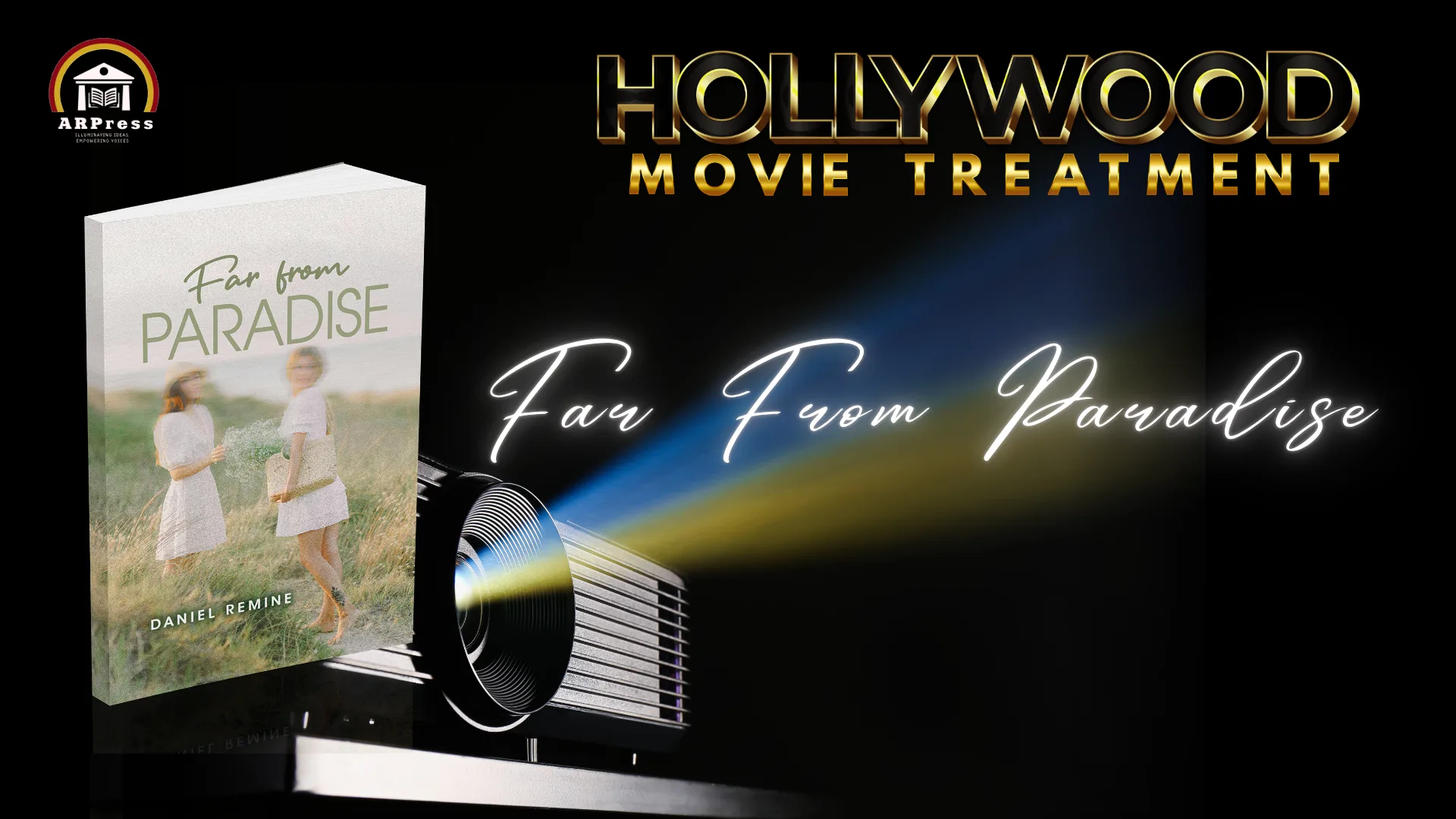
A summary of this acclaimed book has been published in anticipation of its movie adaptation. A movie treatment is one of the first steps in writing a screenplay, providing a detailed summary of the story idea and offering the kind of Hollywood recognition that only a few authors experience.
The three act structure outlining the story has been written and released. A movie treatment is a detailed, prose style summary of a film or television story. It serves as a blueprint for the screenplay, outlining the narrative, characters, settings, and major scenes, usually written in the present tense. The treatment is longer and more detailed than a logline or synopsis but shorter than a full script, typically ranging from 5 to 20 pages, though lengths may vary depending on purpose and audience. It is an important development tool that bridges the gap between a raw story idea and a full screenplay. Its value comes from guiding the creative direction of a project while communicating that vision clearly to others.
It looks like Daniel Remine is about to reach an even wider audience, with a movie treatment now in the works for Far From Paradise.
For those unfamiliar with the process, a movie treatment is often considered a story’s first major step toward the screen. It is not a completed screenplay, but it lays out the narrative, characters, emotional arc, and major scenes that producers and studios review when considering a film adaptation.
And Far From Paradise carries the kind of expansive worldbuilding and emotional intensity that naturally lends itself to cinema.
Far From Paradise follows fifteen-year-old Trish Bergard after her parents are murdered during a terrorist siege aboard the Kindred space station near Jupiter. Raised among the wealth and privilege of the San Francisco elite, Trish is suddenly stripped of everything she knows and sent to Harristown, Nebraska, a harsh theocratic territory governed by religious extremism, crushing poverty, and rigid social control.
What begins as a story of grief and survival soon becomes a sweeping journey through political collapse, corruption, underground resistance, and personal transformation. Trish arrives in Harristown as an outsider, struggling to adapt to a world where religious doctrine shapes every aspect of life. She is forced into a strict Christian academy, witnesses racial segregation and economic exploitation, and slowly realizes the town’s promises of morality and order conceal fear, violence, and hypocrisy.
As Trish tries to survive her new reality, she forms complicated relationships with people who shape her understanding of the world around her. Her older cousin Sara fights to keep her family afloat while resisting the suffocating culture of Harristown, only to become trapped in a horrifying cycle of addiction and exploitation. Stephanie Caterall, initially introduced as a cruel and judgmental classmate, is eventually revealed to be secretly helping operate an underground women’s medical clinic hidden beneath her family home. Through Stephanie and the Boudica Sisterhood, Trish becomes involved in an illegal network distributing banned contraceptives across the Midwest Congress.
The story expands far beyond a simple dystopian thriller. It explores class division, religious extremism, racial tension, economic collapse, and the psychological cost of survival in a society built on fear and control. As the Midwest Congress descends deeper into chaos following a currency collapse and a spreading flu pandemic, Trish is hunted by religious vigilantes and state police who view her resistance work as a criminal offense.
The movie treatment unfolds with vivid cinematic detail, industrial space stations suspended near Jupiter, soot covered Nebraska streets, hidden basement clinics, freight trains crossing guarded borders, and tense midnight escape sequences through isolated stretches of the American frontier. Every setting feels immersive and dangerous, reflecting the emotional pressure placed on the characters as they struggle to survive systems far larger than themselves.
What makes Far From Paradise especially compelling is how grounded and human its characters remain despite the massive scope of the story. Trish is not portrayed as a flawless hero. She is traumatized, angry, uncertain, and often emotionally overwhelmed, yet she gradually develops the resilience and tactical thinking necessary to survive. Sara carries deep emotional scars beneath her cynical humor and rebellious exterior. Stephanie balances fear, secrecy, and courage while living in a society that would destroy her if her true identity became public.
The movie treatment preserves the same emotional honesty and intensity found in the book. It is dark, reflective, and emotionally powerful, capturing a story about loss, survival, corruption, and the search for identity in a collapsing world. Beneath the violence and political tension is a deeply personal story about a young girl forced to abandon innocence and rebuild herself from the ruins of everything she once knew.
So keep an eye out. Far From Paradise is not simply making its way toward Hollywood, it is bringing a haunting and unforgettable science fiction story to audiences who will likely carry its characters and themes with them long after the final scene.